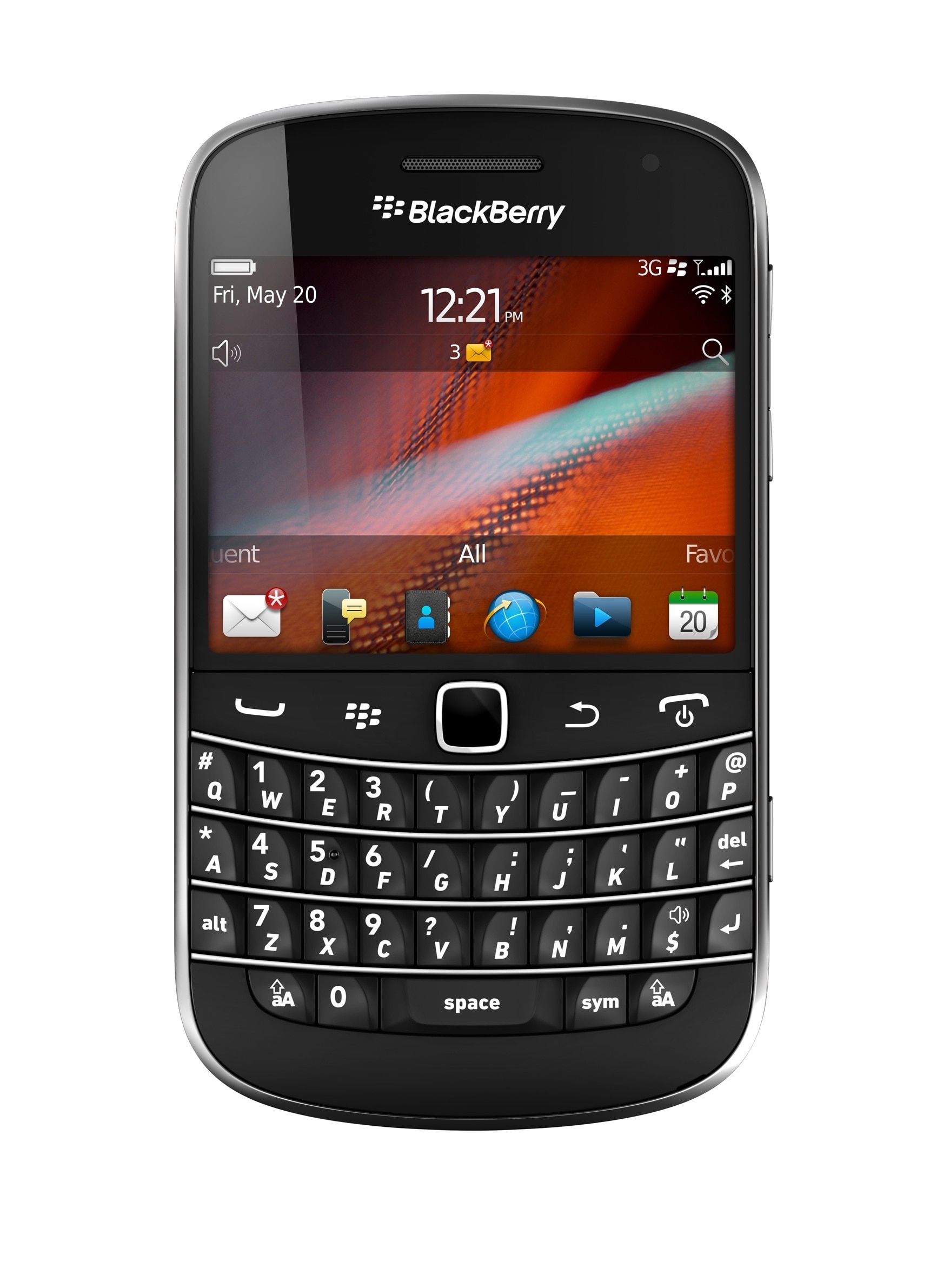
BlackBerry Phones: Reborn or Relic?
Once a titan in the mobile phone industry, BlackBerry's legacy evokes a sense of nostalgia for many. Their physical keyboards and groundbreaking security features made them the go-to device for business professionals and security-conscious users alike. But in the face of the iPhone and Android's relentless rise, BlackBerry's market share plummeted. So, can BlackBerry phones, with their recent relaunch, recapture their former glory, or are they destined to remain a relic of a bygone era?
A Brand Steeped in Innovation
BlackBerry's story is one of pioneering spirit. Their early pagers and smartphones revolutionized mobile communication, offering features that seemed like science fiction at the time. The iconic BlackBerry Messenger (BBM) service became a social media forerunner, allowing for instant messaging on the go. BlackBerry's focus on security was unmatched, making them the trusted device for governments and corporations worldwide.
The Fall From Grace
However, BlackBerry's downfall can be attributed to several factors. Their reliance on physical keyboards felt outdated as touchscreen technology became the norm. The closed nature of their operating system limited app availability compared to the burgeoning Android ecosystem. BlackBerry's stubborn refusal to adapt to changing consumer preferences ultimately led to their marginalization in the mobile phone market.
The BlackBerry Renaissance: A Cautious Hope
In recent years, there have been attempts to revive the BlackBerry brand. Notably, companies like OnwardMobility and TCL have licensed the BlackBerry name and released new BlackBerry-branded phones running on the Android operating system. These phones retain the iconic BlackBerry design elements, incorporating physical keyboards alongside touchscreen displays. They also boast enhanced security features, hoping to appeal to the enterprise market that once championed BlackBerrys.
Can the BlackBerry Mystique Be Recaptured?
The success of this BlackBerry revival hinges on several key factors. Can they effectively balance nostalgia with modern features? While a physical keyboard might be a turn-on for some users, it could be a turn-off for others accustomed to the convenience of touchscreens. Similarly, capitalizing on their legacy of robust security is a must. In today's data-driven world, strong security features are no longer a niche selling point, but an essential requirement. However, BlackBerry needs to ensure their security isn't just a marketing gimmick, but a demonstrably superior solution.
Beyond Devices: A Software Future?
Perhaps the future of BlackBerry lies not just in hardware, but also in software. Their expertise in security could translate into lucrative partnerships with other phone manufacturers, offering best-in-class security solutions for the Android and iOS ecosystems. Additionally, resurrecting BBM as a cross-platform messaging app with a focus on privacy could carve out a niche in a market saturated by mainstream social media giants.
Conclusion: A Legacy Waiting to Be Redefined
Whether BlackBerry phones become a dominant force again remains to be seen. The mobile landscape is fiercely competitive, and innovation is relentless. However, BlackBerry's brand recognition, rich history of innovation, and renewed focus on security offer a glimmer of hope. By carefully navigating the winds of change, BlackBerry has the potential to redefine its legacy, not as a relic of the past, but as a relevant player in the ever-evolving mobile phone industry.

Tidak ada komentar:
Posting Komentar